The Garden Doesn't Clock Off: Reading November Grounds Before a Winter Booking
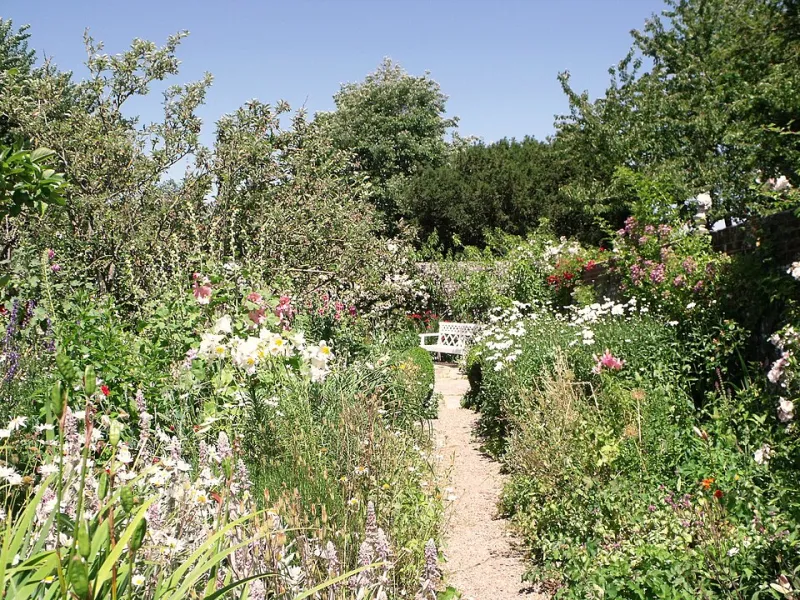
Photo: nick macneill , CC BY-SA 2.0, via Wikimedia Commons
November can be a hard sell for a garden. The leaves are down, the lawn is more suggestion than surface, and the last of the dahlias have gone black at the edges. But a farmhouse garden in late autumn is not a backcloth waiting for spring. It is a working space, and it tells you quite a lot about how a place is run the rest of the year.
If you are weighing up a winter break in 2026, the outdoor photos matter as much as the bed linen. Not because you plan to spend hours lounging on a lawn in a woolly hat, but because the grounds show how guests are expected to move between door, gate, path and pub. They also reveal whether a farmhouse treats winter as an inconvenience or as part of the stay.
First Look: Structure Beneath the Leaves
A cared-for November garden still has bones. Hedges have been cut back. Borders have some shape, even if the plants themselves are reduced to sticks. Paths are visible rather than swallowed whole. None of this needs to be immaculate. This is a farmhouse, not a show garden, and a bit of leaf litter is part of the deal.
The useful clue is whether someone is still doing the small jobs. Are the apple trees pruned rather than left in a thicket? Is there a compost bay that looks used rather than abandoned? Are tools put away, or has a fork been left standing in a bed since September? A garden with evidence of ongoing care suggests a place where the off-season is taken seriously.
Look, too, at what has been left standing. Seedheads for the birds, a few late berries, a log pile that is sorted rather than simply dumped. These are not signs of neglect. They are signs that the garden is being run with more than one season in mind.
The Path Test: Where Mud Is Allowed to Be
In November, paths are honest. A gravel track that drains well, a few wooden boards over the worst patch, a strip of bark along a shaded edge: these are small kindnesses. They tell you that someone has thought about what it is like to walk out of the door in wet boots.
Equally revealing is where the mud is. A shortcut across a lawn that has become a churned line is not necessarily a fault. It may simply be the route everyone takes to the gate. But if the main path from the back door to the parking area is a slippery chute with no grip and no light, that is worth knowing before you arrive with a weekend shop and a torch-less sense of optimism.
Check the practical edges as well. A boot scraper by the door. An outside tap. A bench placed out of the prevailing wind rather than in the prettiest but most exposed spot. These are the details that make a winter stay feel settled rather than soggy.
Birds, Berries and the Honest Mess
A November garden that is full of birds is usually a garden that has not been scrubbed clean. Feeders topped up. A shrub left with berries. A corner where leaves have been allowed to gather. That kind of mess is deliberate, and it is a good sign.
You may see fieldfares and redwings arriving for the winter, or a robin following a spade. None of this guarantees a perfect farmhouse break, but it does suggest a place where the outdoors is treated as a living part of the setup rather than a decorative extra. It also gives you something to watch from the kitchen window while the kettle boils, which is no small thing in November.
The opposite is not always a red flag. Some gardens are simply tidy by nature. But a completely sterile winter garden, with every leaf removed and nothing left for wildlife, can feel a little closed off. The best farmhouse grounds tend to have a bit of life about them, even when the branches are bare.
A Bench, a Wall and Somewhere to Sit
Summer furniture stacked in a shed is normal. But a November garden with one genuinely usable outdoor seat is a gift. A bench against a south-facing wall. A porch with a roof. A table tucked into a corner where the wind does not whip straight through. These are the places where you can take a mug of tea outside for ten minutes without regretting it.
Look for shelter rather than spectacle. A wall that holds the afternoon sun. A hedge that cuts the wind. A light by the door for the early dusk. If the garden has been arranged with winter in mind, the house probably has been too: somewhere for wet coats, somewhere for boots, somewhere to hang a dog towel.
What This Means for Your Weekend
Use the garden as a set of questions, not a test. Ask whether the path from the gate is muddy, and whether there is a drying room or boot rack. Ask if the nearest walk starts from the door or needs a short drive. Ask whether the pub is a torch-friendly stroll or a proper country lane with no pavement. A farmhouse that answers these questions clearly is usually a farmhouse that knows its winter guests.
Then pack for the garden you will actually get. Waterproof boots. A warm layer for sitting outside. A torch. Maybe a bag of birdseed if the owner welcomes it. The point of a November break is not to pretend it is June. It is to enjoy the quieter version of the countryside: short walks, early fires, bare branches, and the feeling of coming back to a warm hall.
A garden in November is not a promise of summer. It is a promise that the place is still awake. Read the paths, the pruned trees, the feeders and the sheltered bench, and you will have a fair idea of the welcome waiting inside.