A Month of Small Warmths: Keeping a Farmhouse December Unhurried
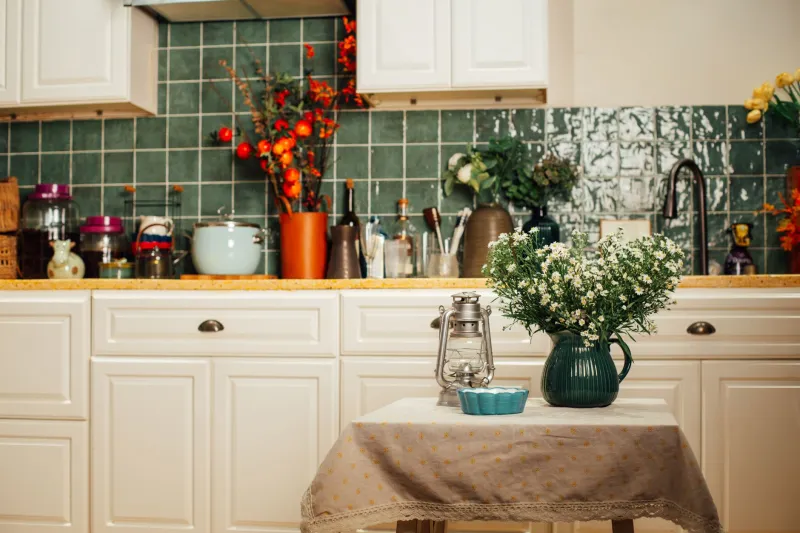
Photo: cosy farmhouse kitchen candle winter afternoon Scotland, via content.bartleby.com
December has a habit of arriving with its sleeves rolled up. There are cards to write, lights to untangle, hampers to plan and a vague sense that you should be enjoying it all far more than you are. A farmhouse break in late November or early December 2026 is a chance to press pause on that particular machinery. Not to ignore Christmas, but to let it come in at its own pace, through the back door, with muddy boots.
At Drem Farmhouse, the festive season is less about a full calendar and more about a few small anchors. Think of it as an advent of ordinary things: a candle lit at four o’clock, a lane walked before the light goes, a pan left to bubble on the stove, and one modest outing a week. Nothing that needs a spreadsheet. Nothing that ruins the peace you came for.
Start With Four Anchors, Not a Checklist
The temptation in December is to treat every day as a box to be ticked. A farmhouse advent works better the other way round. Choose four loose rituals for your stay and let the days arrange themselves around them.
The first is a daily candle or lamp, lit early rather than saved for a special occasion. The second is a short walk, ideally before dusk, when the lanes are still legible and the sky is doing something interesting. The third is a pan of something warm on the stove — soup, stewed fruit, spiced apple juice, whatever suits the cupboard. The fourth is one local outing a week: a market, a garden with a winter opening, a village pub, a small hall with a craft fair, a stretch of coast you have not seen since summer.
That is the whole framework. It bends easily around late starts, wet weather and the desire to do absolutely nothing for an afternoon.
The Four O’Clock Candle
In early December in this corner of East Lothian, the light starts to leave around half past three and is properly gone by four. That can feel like a loss. It can also be treated as a cue. The four o’clock candle is not about decorating; it is about marking the shift from outdoor light to indoor warmth.
A single candle on a kitchen table is enough. So is a lantern by the back door, a low lamp in a window, or a string of warm-white bulbs over a dresser. If you are staying somewhere with an open fire, ask the host whether it is laid and ready, and whether they would like you to use it. Farmhouse hearths are often cared for things, not props.
Practical bits matter. Keep candles away from curtains and drying washing. Use a proper holder. Do not leave a flame unattended. If you are staying with small children or a dog with a wagging tail, a battery lantern does the same job with less worry. The point is the pause, not the paraffin.
The Short Lane Walk
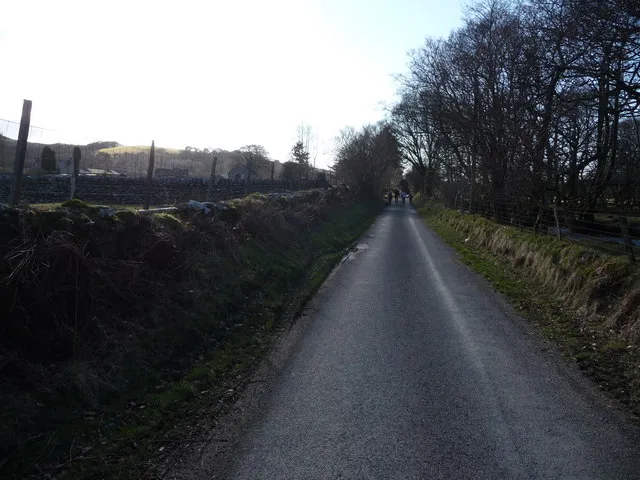
A winter walk does not need to be a expedition. Twenty to thirty minutes on a lane before dusk is often the most rewarding kind of outing: enough to clear the head, not enough to require a route briefing and a bag of emergency flapjack.
Ask your host for the nearest safe loop. In late November and December 2026, the useful questions are simple: where is the road quietest, where does the verge get muddy, is there a torch in the hall, and which way does the sun go down? A short lane walk is best done with a flask in one pocket and a torch in the other, even if you are back before you need either.
Walk prompts for short days:
- Look for the first lit windows in the village and notice which ones have curtains still open.
- Listen for the difference between a hedge in wind and a hedge in still air.
- Find one thing that has changed since yesterday — a puddle, a leaf line, a new sign in a field.
- Walk the same five minutes out and five minutes back, and see what you missed the first time.
- If the light is really going, stay on the pavement or the quietest lane and wear something that catches a headlight.
You do not need a summit. A loop to the church and back, a lane between two hedges, a path along the edge of a field — these are proper winter walks. They suit the season because they ask for less and give back more.
The Pan on the Stove
A farmhouse kitchen in December should smell of something doing its own work. This is not the place for a three-course menu. It is the place for a pan of soup made from whatever was in the honesty box, a pot of apples stewed with a strip of orange peel, or a jug of apple juice warmed with cloves and cinnamon.
The host-friendly version is simple. Ask what pans and basics are already in the cupboard. Many farmhouse stays leave salt, pepper, oil, tea and coffee, but not always. Bring one or two things that make a pan feel generous: a stock cube, a tin of tomatoes, a bag of lentils, a bar of good chocolate for afterwards. Keep it small. The aim is a warm kitchen, not a catering operation.
If you are staying with a group, the pan is a good way to avoid the tyranny of the big meal. Let people help themselves through the evening. Put the bread on a board. Leave the bowls stacked. Someone will light the candle at four, someone else will stir the pot, and the day will have found its own shape.
One Outing a Week
A weekly outing gives the stay a little outward-looking punctuation without turning it into a tour. In late November, the local market may still be in its autumn rhythm; by December, village halls and church rooms tend to fill with small fairs and coffee mornings. Check times before you go. Winter openings can be beautifully modest and slightly unpredictable.
A few ideas that suit a farmhouse base:
- A market town on its quietest day, with a stop for a bowl of soup.
- A garden or country park with a winter trail and a short, flat walk.
- A village pub that serves food at lunchtime and does not mind wet coats.
- A local museum or heritage room that opens for a few hours on a Saturday.
- A coastal walk on a bright, cold morning, followed by an early return to the fire.
One outing a week is enough. It leaves room for the unplanned thing — the neighbour who stops for a chat, the lane you take because the light looked good, the second cup of tea that turns into a board game.
A Host-Friendly Framework
If you are booking a farmhouse for a December break, a few small requests make the unhurried version easier. Ask for a local walk map, even a hand-drawn one. Ask where the torch lives. Ask whether there is a drying rack or a boot tray. Ask about the pub’s winter hours and whether the village shop closes early on a Saturday. These are not demands; they are the sort of questions that help a host help you.
And if you are the host, the same list works in reverse. A candle in a safe holder, a torch by the door, a flask on the shelf, a short printed walk and a note about the nearest honest box or village shop will do more for a December stay than any festive display. Warmth is practical before it is decorative.
Why Small Works in December
December can be a month of large expectations. A farmhouse stay offers a different scale. The lane is short. The candle is one flame. The pan is one pot. The outing is one afternoon. None of it needs to be photographed for posterity. All of it can be repeated tomorrow if you liked it.
That is the quiet case for a farmhouse advent. Not a countdown to a single day, but a series of small warmths that make the waiting itself worth having. By the time you leave, you may not have ticked much off. You will, with any luck, have had a proper December.