The Pub Next Door: How a Village Local Reveals a Farmhouse Worth Booking
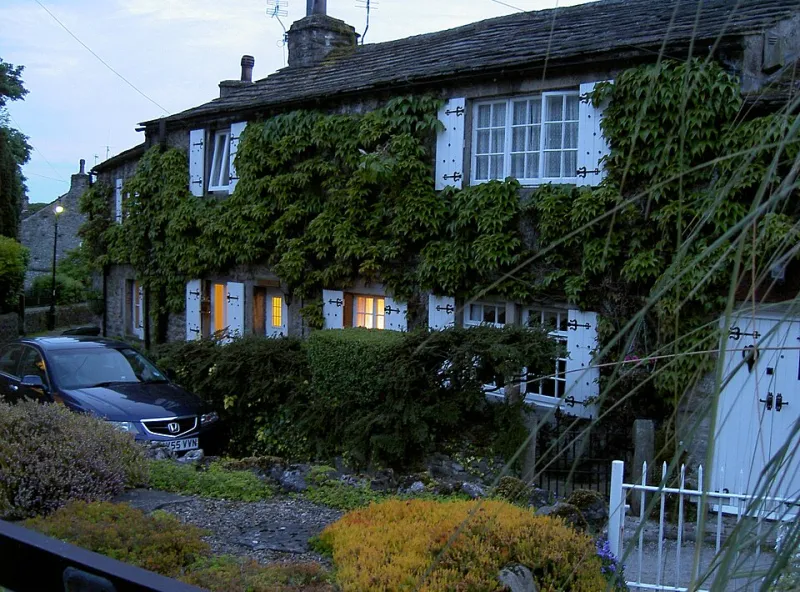
Photo: Neil Owen , CC BY-SA 2.0, via Wikimedia Commons
You can learn a lot about a farmhouse from its website. You can learn more from its nearest pub. Beams, bread and a bath with a view are all very well, but a rural break is not lived entirely inside the property. It is lived in the lanes, the footpaths and the village. And in most villages, the pub is still the front room. If the local feels welcoming, the break usually does too.
The nearest pub is not a bonus. It is part of the break.
We would argue that the village pub is one of the most honest clues to a genuinely good farmhouse stay. Not because every pub is perfect, or because every good break needs a pub, but because a pub tells you how the place works. Does it serve the village, or just tourists? Is it open on a Tuesday in February? Can you walk there by a footpath, or does the route involve a blind bend and a ditch? These are not small details. They are the difference between a break that feels connected and one that feels like a nice house in a pretty but empty landscape.
A farmhouse can have the comfiest bed in England. If the only place to eat within five miles is a laminated carvery attached to a roundabout, the weekend has a hole in it. If the nearest local is a proper pub with a fire, a few locals and a landlord who knows the footpaths, you have found something better than a good review score.
Five green flags in a village local
First, a noticeboard that is actually used. Quiz nights, choir practice, a lost cat, a parish council meeting. It means the pub is a living room, not a stage set.
Second, beer from nearby breweries. It does not have to be fancy. A well-kept bitter from a brewery a few villages away is a good sign that the pub cares about its place.
Third, staff who say sit anywhere and mean it. A welcoming local makes room. It does not make you feel as though you have interrupted a private party.
Fourth, food that is honest about what it is. A short menu of pub classics, cooked properly, beats a long menu of things that have clearly been defrosted. Sunday lunch is a good test: is it full of families, walkers and people who live nearby?
Fifth, muddy boots and dogs are tolerated, preferably welcomed. You do not need a red carpet. You need a corner where a wet spaniel can lie down without the landlord having a crisis.
Three amber flags
An amber flag is not a reason to cancel. It is a reason to ask a question. A pub that is shut at 8pm on a Saturday may still be wonderful on a Sunday lunchtime. A pub with no real ale may have excellent food. But a cluster of amber flags is worth noting.
Watch for a pub that feels like a wedding venue with a bar attached, a menu with forty dishes and no local produce, and a complete absence of anyone who seems to live within walking distance. None of these things is a crime. Together, they can suggest a pub that is performing rural life rather than living it.
Questions to ask before you book
Ask the farmhouse host, not just the internet. A good host will tell you the truth, including the bits that are less flattering.
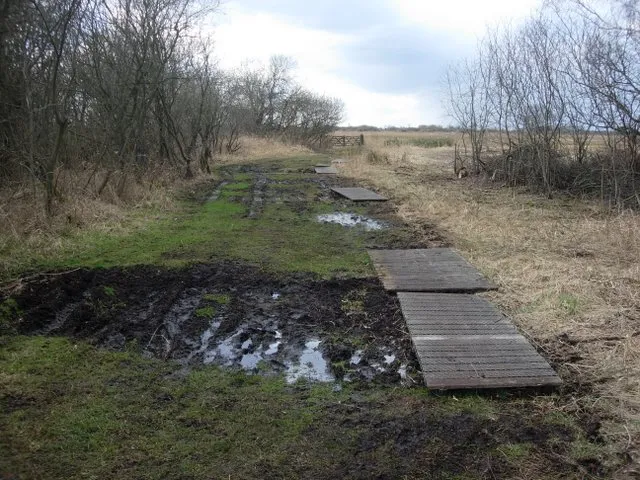
Is the pub within walking distance on a footpath? A ten-minute stroll across a field is very different from a twenty-minute walk along a fast road with no verge.
Does it serve food on the days you are staying? Rural pubs often have limited hours, especially outside summer. Check kitchen times, not just opening times.
Do you need to book for Sunday lunch? In many villages, yes. A phone call ahead can save a long face and a packet of crisps.
What is the pub like for a solo walker or a couple with a dog? Some places are wonderfully welcoming; others are set up for large family groups.
Is there a village shop? It is not the pub, but it is part of the same ecosystem. A village with a shop, a pub and a footpath is a village you can settle into.
What is the taxi situation? If you want a pint and the pub is three miles away, you need a plan. Do not assume rural taxis are plentiful.
Build a walk around a pub lunch
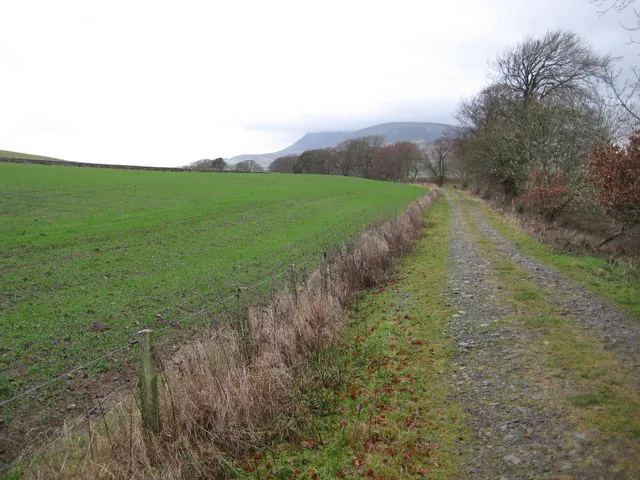
This is where the pub test becomes a pleasure rather than a piece of research. Choose a circular walk of three to five miles, with the pub roughly halfway. Use an Ordnance Survey Explorer map or a trusted walking app, and check that the route uses public footpaths and bridleways rather than a busy lane.
Time it so you arrive at the pub for lunch, not at that awkward hour when the kitchen is closed. A 12.30 booking gives you the afternoon to walk off pudding. In winter, carry a head torch and start earlier than you think you need to. In summer, a pub garden and a long route home is one of the great British pleasures.
Have a backup. Pubs close, kitchens stop serving, and weather turns. A sandwich in the daypack and a flask of tea are not an admission of defeat. They are good planning.
A sample farmhouse-pub day
Breakfast at the farmhouse, then a slow start. Walk out from the door at about ten, following lanes and footpaths to the next village. Arrive at the pub for twelve thirty. Order something simple and local. Sit by the fire if it is cold, in the garden if it is not. Walk back by a different route, perhaps a longer loop, and be back at the farmhouse by late afternoon. Boots off, tea on, feet up. That is the whole weekend, really, and it is enough.
The test in one sentence
If you can imagine spending a rainy afternoon in the pub with a pint and a newspaper, and the farmhouse is a short walk away, you have probably found a good break. The pub is not the whole story of a farmhouse stay. But it is often the chapter that tells you whether the rest will ring true.
At Drem Farmhouse, we like a break that feels part of the place. The nearest local is a good place to start.