Wellies by the Door: Packing Sense for a Wet-Weather Farmhouse Weekend
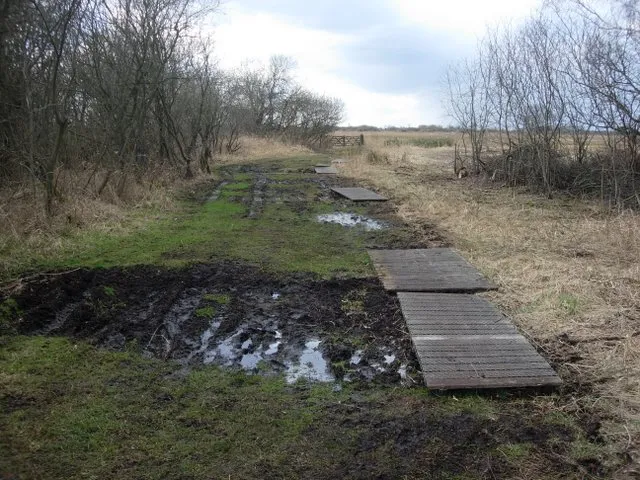
Photo: Hugh Venables, CC BY-SA 2.0, via Wikimedia Commons
Rain has a funny way of making a farmhouse break better. Not at first, perhaps. Not when you are standing in the yard with one boot on and a paper map turning to pulp in your hand. But give it an hour, a hot shower and a drying rack that looks as though a small sheep has collapsed on it, and the weekend starts to make sense. A wet-weather farmhouse stay is not about dodging the forecast. It is about packing so the forecast does not call the shots.
Start at the feet, because that is where the day begins
Wellies are the romantic choice, and for farmyards, lanes and short squelches to the car they are perfect. For actual walks, though, bring waterproof walking boots with a decent tread. Wet grass on a sloping field is not the place to discover that your soles are smoother than a pub table. Pack two pairs of wool or synthetic socks per walking day, plus a thin liner pair if you blister easily. Cotton socks are a small tragedy in wet weather: they hold water, rub and turn a pleasant amble into a test of endurance.
A boot bag is worth its weight in gold. It keeps muddy boots away from clean clothes in the car and gives you somewhere to put them in the farmhouse. Add a boot jack if you have one, or a long-handled shoehorn. Your back will thank you after a long day on the fells.
Layer up like a countryside cliché, in the best way
The old advice holds: base layer, mid layer, waterproof shell. A merino or synthetic base moves sweat away from your skin. A fleece or light down jacket adds warmth. A proper waterproof jacket with a hood beats a fashion coat every time. Bring waterproof trousers, too. They are not glamorous, but neither is sitting on a farmhouse sofa in soaked jeans while your host pretends not to notice.
Avoid cotton next to the skin. A cotton T-shirt is lovely in July and a cold compress in November. Pack a spare dry layer in your daypack, sealed in a dry bag or a freezer bag. There is a particular joy in pulling on a dry hat at the top of a windy hill.
The boot-room etiquette kit
Farmhouse boot rooms are shared, practical spaces, and a little kit goes a long way. Bring a small towel for wiping down boots, a plastic bag for anything that comes back unrecognisably muddy, and a few sheets of newspaper to stuff into wet boots overnight. Newspaper draws moisture out and stops that faint farmyard pong from settling into the porch.
Ask where wet gear should go. Some places have a heated drying room; others have a rack by the back door and a strict no-wet-coats-on-the-radiator rule. Respect the system. A tidy boot room is a happy boot room, and the next guest will thank you for not leaving a puddle shaped like Cumbria on the flagstones.
Small comforts that earn their place
A flask is the difference between a good walk and a great one. Fill it with tea, coffee or soup before you set out. Add a couple of biscuits, a chunk of fruit cake or a bag of nuts. A hot water bottle is a lovely thing to find at the bottom of a daypack if you stop for a long lunch. A head torch is essential in winter, when dusk arrives at about the same time as afternoon tea.
Bring indoor shoes or thick socks for the farmhouse. After a day in boots, your feet will want something soft. A dry robe or warm changing layer is useful if you are planning a dip, a cold swim or just a very muddy dog walk. And pack a reusable water bottle; rural taps are generally excellent, and there is no need to buy plastic on the way.
What to leave at home
Leave the umbrella if you are heading onto exposed hills. It will turn inside out and become a comedy prop. Leave the pristine white trainers. Leave jeans for the evening, not the walk. Leave the idea that you can beat the weather. You cannot. You can only dress for it and then enjoy the fact that the fire, the tea and the farmhouse welcome are waiting.
Plan a walk that suits the weather
A wet-weather walk does not have to be epic. Check the forecast and the flood warnings, then choose a low-level route with woods, lanes or a riverside path. An Ordnance Survey map or a reliable walking app will help you spot circular routes and avoid a trudge along a fast road. Three miles with a pub at the halfway point is often better than ten miles of horizontal rain on a ridge.
Build in an escape route. A shorter loop, a bus back or a friend with a car can save a soggy afternoon. And tell someone where you are going, even if it is just your host over breakfast.
The return is the ritual
Back at the farmhouse, the ritual matters. Boots off, waterproofs hung up, kettle on. A good farmhouse will have a drying rack, a stash of tea and a sofa that seems to absorb damp walkers. That is the point of this kind of break. The mud is part of the story, but it is not the whole story. The welcome does the rest.
The short version: a packing list
- Waterproof walking boots with good tread
- Wellies for the yard and short lanes
- Two pairs of wool or synthetic walking socks, plus liners
- Merino or synthetic base layers
- Fleece or light down mid layer
- Waterproof jacket and trousers
- Spare dry layer in a dry bag
- Warm hat, gloves and a buff
- Boot bag, small towel and newspaper
- Flask, snacks and a water bottle
- Head torch and spare batteries
- Indoor shoes or thick socks
- Hot water bottle for cold days
- A sense of humour about mud
Pack those, and a wet weekend stops being a washout. It becomes a proper farmhouse break: a bit muddy, a bit bracing, and all the better for it.