Sunday, Unhurried: The Farmhouse Check-Out That Keeps Its Calm
Photo: cosy UK farmhouse kitchen morning sunlight teapot mug window, via turkisharchaeonews.net
Sunday morning in a farmhouse has a particular sort of light. It comes in low through the kitchen window, lands on the last of the toast and makes even the washing-up look briefly ceremonial. Then, all too often, someone checks the time, someone else starts zipping a bag, and the whole weekend ends in a small storm of chargers and half-folded jumpers.
It is a strange way to finish. You have spent two nights breathing more slowly, walking lanes instead of pavements, and letting the kettle take its time. Then the final hour turns into a checkout queue with better crockery. The Sunday scramble does not just undo the calm; it suggests the calm was only ever borrowed.
The checkout cliff edge
Most farmhouse weekends have a natural rhythm until about ten o'clock on Sunday. Breakfast stretches. Someone reads the back of a cereal packet. The dog sighs under the table. Then the clock edges on and the mood changes. Bags appear. Cupboard doors bang. Someone asks where the bin bags are kept, and the answer is always in the one cupboard nobody has opened.
None of this is tragic. But it is avoidable. A slow departure is not about being late or awkward; it is about treating the last morning as part of the stay rather than the bit before the drive home. The difference is mostly preparation, a bit of manners, and the willingness to make one more pot of tea.
Pack the night before, not the morning of
The single kindest thing you can do for your future self is to do the bag shuffle after dinner on Saturday. Not the full, grim inventory of a airport departure. Just the quiet work: fold the walking clothes, gather the books, put the boots by the door, charge the phone in the kitchen rather than the bedroom. Leave out only what you need for breakfast and the morning walk.
This is not about efficiency for its own sake. It is about protecting the morning from decision-making. A bag already half-packed means you can sit down to porridge without wondering whether the toothbrush is in the bathroom or the car. It means the last hour belongs to you, not to the luggage.
A short walk from the gate
Before breakfast, if the weather is merely damp rather than horizontal, pull on a coat and step out of the gate. You do not need a route. A farm track, a lane, a field edge — ten or twenty minutes is enough. The point is to see the place once more while it is still quiet, before the day has properly started.
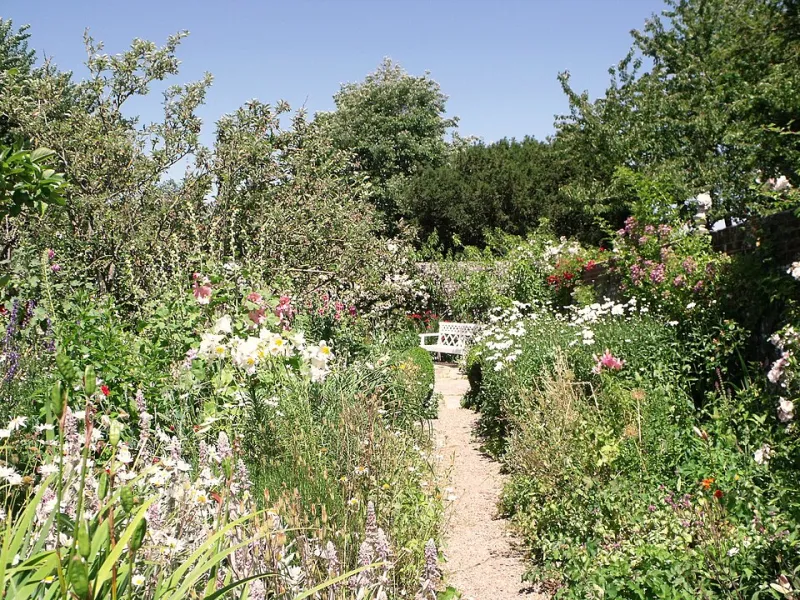
There is a particular pleasure in a Sunday morning walk that has no destination. The dew is on the grass, the air smells of cold soil, and the only competition for the view is a pheasant with strong opinions. At Drem Farmhouse, the countryside is not an excursion you have to organise; it starts at the gate. That is worth using, even on the last day.
The second pot
Back inside, make the second pot. This is the small ritual that says the weekend is not over yet. The first pot is fuel. The second pot is conversation. It is the one where someone remembers a story from the walk, or notices the garden properly, or asks whether the hosts have always kept that particular breed of hen.
Do not treat this as delay. Treat it as the last chapter. If checkout is at ten, aim to have bags by the door by half nine, then sit down. The difference between a rushed cup and an unhurried one is about fifteen minutes and a change of attitude.
Ask about a later check-out
If the farmhouse is not turning round for another booking, many hosts can offer a little flexibility. The key is to ask early and ask nicely. Mention it when you book, or over breakfast on Saturday, rather than announcing it at ten o'clock on Sunday with a car already running. A simple question — whether there is any chance of keeping the room or the kitchen for an extra hour — is rarely unwelcome. It is the assumption that is unwelcome.
A later check-out is not a right. It is a small courtesy that hosts can offer when the diary allows. And when it is offered, take it gently. Do not use the extra hour to start a project. Use it to finish the crossword, walk to the end of the lane, or have one more cup without looking at the clock.
The last cup
The last cup is never really about caffeine. It is about refusing to let the weekend end on a sharp note. It is the mug you carry to the window while the car is being loaded, the one you drink standing up because the chairs have already been pushed in. It tastes of the whole stay, somehow — the wet walk, the pub supper, the long sleep.
Leaving late, when it is done well, is not lazy. It is a way of saying thank you to the weekend. The bags are packed, the keys are on the table, and the last thing you do is sit down. Then you put the cup by the sink, say a proper goodbye, and drive home without the feeling that you have just been evicted from your own holiday.
That is the farmhouse way. Not a scramble at the door, but a last look back. And if you can manage it, the holiday lasts all the way to the end of the lane.