When the Water Wins: A Calm Guide to a Winter Farmhouse Arrival That Changes Plan
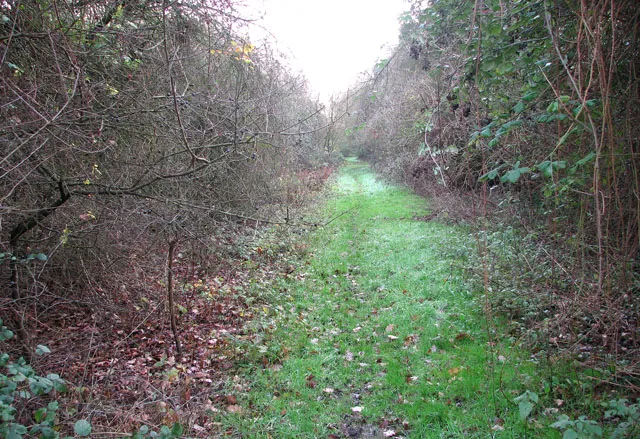
Photo: Evelyn Simak, CC BY-SA 2.0, via Wikimedia Commons
Somewhere in every winter booking there's a quiet bit of optimism: the drive will be fine, the lane will be clear, we'll be there before dark. Most years it is fine. Some years the water gets up over the ford, the main road closes, and the whole thing becomes a negotiation with a puddle.
This is not a disaster. It is a normal rural winter, and farmhouses have been dealing with it since long before anyone put a postcode on a lane. The trick is to plan for the altered version before you set off, so that arriving late and muddy feels like an adventure rather than a failure.
Read the forecast for the right things
Don't just look at the symbol over your destination. For a winter arrival, three things actually matter:
- Rain upstream, not overhead. A dry morning at the farmhouse means nothing if the hills forty miles to the west had a night of it. Rivers take hours to come up, and the lane floods last.
- The wind direction after the rain. Gusty weather brings branches down on the minor roads, and the minor roads are exactly the ones the satnav will choose for you.
- The freeze after the wet. The genuinely awkward scenario isn't flooding, it's a wet afternoon followed by a clear cold night. Slush on a steep single-track is worse than water on a flat one.
A quick look at an environment agency flood map for the area, plus the local council's road closure page, takes four minutes and tells you more than any weather app.
The message to send before you leave
Tell your host you're setting off, and tell them roughly when. That's it. You don't need a risk assessment — you need the person at the other end to know you exist and to have a chance to say avoid the B road, it's under.
A good message looks like this: Setting off from Leeds about 2, aiming to be with you by half four, but the forecast looks wet — will text if it slips past six.
That single sentence does a lot of work. It gives the host the option to leave a light on, put the heating on earlier, or tell you about the back way in. Hosts who have lived on a lane for twenty years know its moods better than any app, and they are usually delighted to be asked.
Have a second and third route in your head
Before you drive, know the alternatives. There is almost always a longer, higher, duller road that stays dry — the one that goes round the valley rather than through it. It adds twenty minutes and removes most of the risk.
Write the alternative down rather than trusting yourself to find it on a dark screen at a closed junction. Two lines on the back of an envelope is enough. And decide now, while you're warm and stationary, that you will take the long way without arguing with yourself about it at the flooded bit.
A few rules worth repeating, because they are the ones people break: never drive through water when you can't see the road beneath it, never follow another car's judgement into a ford, and never assume a lane that was passable at eleven will still be passable at four.
Pack for the version where you arrive late and wet
Throw these in before you close the boot. They cost nothing and completely change the mood of a bad arrival.
- A torch that isn't your phone, in the door pocket where you can reach it without unpacking.
- A spare pair of dry socks and a towel on the back seat.
- Wellies, not just walking boots. Boots are for the walk; wellies are for the yard at nine at night.
- A flask filled before the last hour of the drive, and a couple of biscuits.
- A printed note of the host's phone number. Not just the booking confirmation in an app that needs signal.
- Something to eat that doesn't need cooking. Cheese, bread, an apple. Arriving hungry makes everything feel worse.
Late check-in without the fuss
Most rural hosts are relaxed about a late arrival if they know about it in advance, and slightly tense about it if they don't. The fix is one text when you know, not five when you're nearly there.
When you arrive, ignore the urge to unload the car properly. Get in, get the lights on, get the kettle going. Unpacking in the morning is a pleasure; unpacking in the rain at half nine is a chore. And if you're coming in after dark, ask in advance which door has the light on a timer — every farmhouse has one, and it's rarely the one you'd pick.
If you have to shorten the stay
Sometimes the sensible thing is to arrive Saturday instead of Friday, or leave a day early to get ahead of a closure. Say it early and plainly. Hosts would far rather hear I think I'll come down Saturday morning, is that all right? on Thursday than discover an empty room on Friday night.
Most will be flexible where they reasonably can, particularly in the quiet stretch between New Year and the first half-term. Ask, don't assume — and if they can't shift the dates, take the night you can have. A single night in a warm farmhouse with a good walk in the morning still counts as a weekend away.
The farmhouse side of the bargain
What you can reasonably expect: a light left on, a fire laid ready, clear directions by text, and a host who isn't remotely surprised that the lane did what it always does in January. What you can't expect is for anyone to control the weather or the council's highways team.
The whole arrangement works better when both sides treat a disrupted arrival as an ordinary winter event. It usually is. You will get there. You will get wet. There will be tea.
And in the morning the water will have dropped, the lane will show its usual gravel, and the walk you came for will be exactly where it was — a bit muddier at the gate, and all the better for it.