Before the Kettle Boils: Six Clues to a Farmhouse That Cares
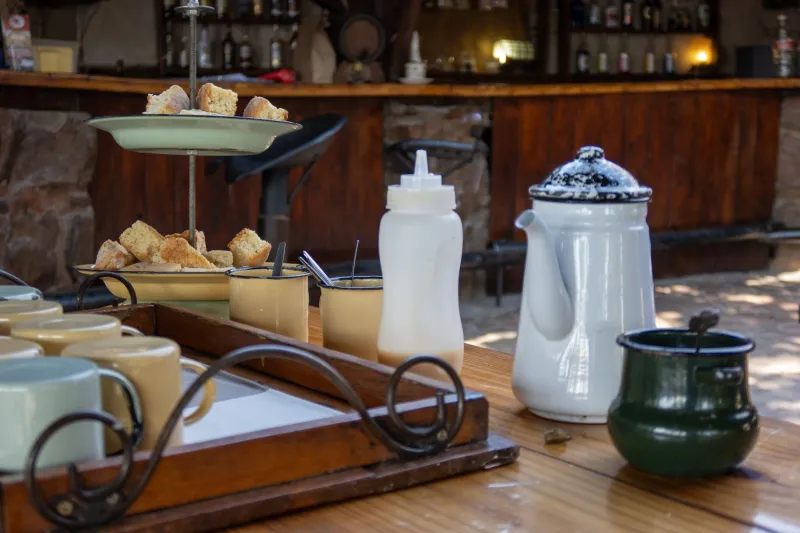
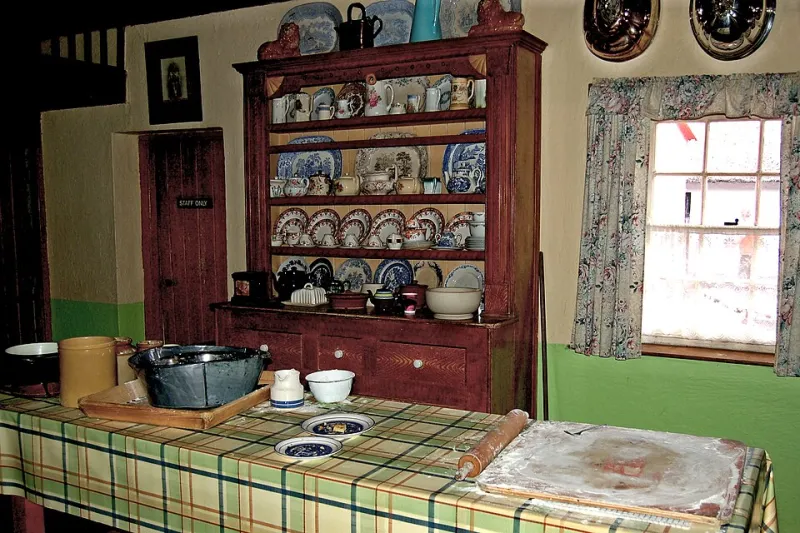
You arrive with the car still ticking and your boots not yet off. The door opens, the heating has been on, and before you have found the right cupboard for the teabags, your eyes land on the kitchen table. That modest arrangement — milk, bread, a little cake, perhaps a jar of dog biscuits and a note in unfamiliar handwriting — is the moment a farmhouse stop being a listing and starts being a stay.
At Drem Farmhouse, we are biased. We think the welcome tray is one of the most useful things a guest can assess, precisely because it is so unglamorous. It is hard to fake a table that has been thought about by someone who knew you were coming. It is also a practical prompt: before you book a rural break, ask what will be waiting for you, and listen closely to the answer.
It starts with the milk
A bottle of local milk in the fridge is a small thing with a long reach. It says someone knows which dairy serves the village, or which farm shop opens early enough on a Friday. It means your first cup of tea does not require a journey to a supermarket, and it suggests the owner has done this enough times to remember what arrival actually feels like.
UHT cartons are not a crime. Some farmhouses are remote, some changeover days are tight, and a long-life backup has its uses. But if the milk is local, look for the name on the bottle. Ask before booking whether milk is provided, how much, and whether dairy alternatives can be left if you need them. A host who answers that question warmly is usually a host who has thought about the rest of the table too.
Bread that has a postcode
Bread is the quiet marker of place. A sliced supermarket loaf in plastic is functional. A rough loaf from the village bakery, a few farmhouse scones, or a pack of local butter says the welcome has been tied to the neighbourhood rather than the cash-and-carry.
For self-catering stays, ask what is included on arrival and what you will need to bring. Salt, oil, coffee, washing-up liquid and kitchen roll are the things guests forget most often. A good farmhouse will either provide the basics or tell you plainly what to pick up on the way. That honesty is worth more than an overfilled hamper with no note of explanation.
Tea, coffee and the honest mug
There is a particular kind of disappointment that comes from arriving to one teabag, a tiny UHT pot and a mug the size of an egg cup. The welcome tray should let you make a proper drink without unpacking the car first.
Look for decent teabags, a cafetière or a simple coffee setup, and mugs you would actually choose at home. Little extras matter here: a jar of local honey, a sugar bowl that has been filled, a small jug for milk. If you are fussy about coffee, ask what is provided. If you are travelling with children, ask whether there is squash or hot chocolate in the cupboard. These are not demands; they are the sort of details that separate a thoughtful stay from a staged one.
Cake, biscuits and the point of a small treat
A slice of cake is not meant to replace dinner. It is a pause. It says: sit down, put the kettle on, you are here now. The same goes for a tin of biscuits or a few squares of shortbread. The best welcome trays are not competitive; they are proportionate.
Dog biscuits deserve their own mention. If a farmhouse advertises itself as dog-friendly, a jar of biscuits by the door is a small signal that dogs are genuinely expected rather than merely tolerated. Ask whether treats are provided, where dogs are allowed to sleep, and whether there is a towel for muddy paws. A host who has thought about the dog has usually thought about the walk back from the field as well.
Walking notes and the handwritten welcome
This is the most revealing part of the tray. A generic laminated leaflet about the local area is fine. A handwritten note is better. A handwritten note with a short walk from the door, the pub's food times, a warning about the muddy bottom field and a torch for the dark lane is the real thing.
Ask before booking whether route notes are provided, whether they are tailored to the season, and whether there are shorter options for wet afternoons. A farmhouse that knows its own footpaths is a farmhouse that expects you to use them. That expectation is part of the welcome.
What the tray is not
The welcome tray is not a substitute for a clean kitchen, a warm bedroom or a host who answers messages. It is also not a race to produce the biggest hamper. A simple table with local milk, a decent loaf, a handwritten note and clear information beats an expensive basket with no thought behind it.
Before you book, ask a few plain questions: What will be on the table when we arrive? Is the milk local? Can you cater for a dairy-free diet? Are dog biscuits provided? Do you have walk notes from the door? What should we bring that you do not supply? The answers will tell you more about the care behind the stay than any wide-angle photo of a sofa.
As winter settles in and the days shorten, the welcome tray becomes even more valuable. You come in from a cold lane, boots by the door, and the kettle is the first thing you want. A farmhouse that understands that small moment is usually a farmhouse worth returning to. At Drem Farmhouse, we would rather be judged on the table before you unpack than on the gloss of the listing. It is a lower, quieter test — and a much more honest one.