Pass the Pot, Not the Bill: Why Group Weekends Belong at a Farmhouse Table

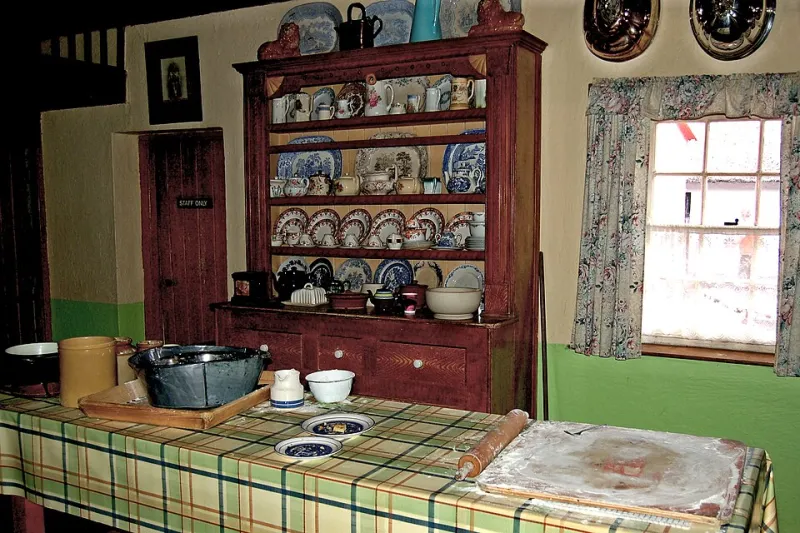
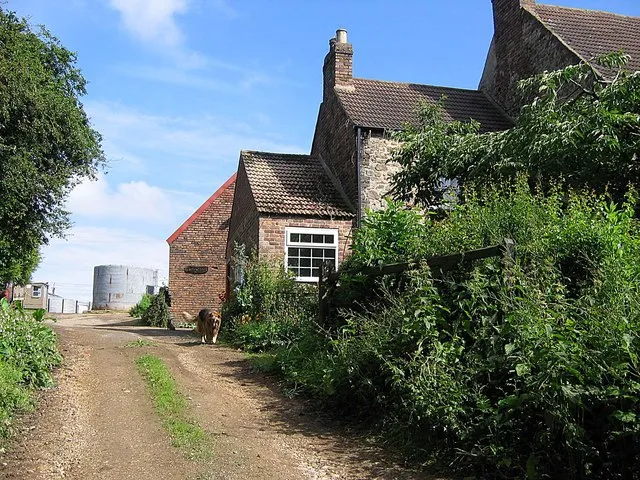
Photo: large farmhouse dining table group dinner UK countryside, via i.pinimg.com
There is a moment on every group weekend when the trip reveals what it is really made of. In a city, it tends to arrive at dinner. Someone is vegan, someone is late, someone has already spent forty pounds on cocktails, and the restaurant has split the bill three ways because the card machine is struggling. In a farmhouse, it arrives when eight people are crammed around a long table, passing a pot of something hot and arguing about whether the roast potatoes need another ten minutes.
That is the long table test. Not the thread count. Not the welcome hamper. Not even the view, though a good view helps. The question is simple: can your group actually be together, in one place, without the evening turning into a logistics exercise?
The long table is the whole point
A farmhouse break is not a hotel break with a different wallpaper. The point is the one roof. Everyone wakes up in the same house, makes tea in the same kitchen and drifts back to the same table. Nobody has to book a taxi. Nobody has to shout over a bar. Nobody has to pretend that a shared starter and two small plates constitute dinner.
At Drem Farmhouse, the table is where the weekend actually happens. It is where the walk gets planned, the leftovers get finished and the old stories get retold with more detail than they deserve. A city weekend can be brilliant, but it often fragments. The farmhouse weekend stays whole.
Choosing a farmhouse for eight to twelve people
A house that sleeps twelve is not automatically a house that dines twelve. This is the first thing to check and the easiest thing to overlook. Look at the photos and count the chairs. Ask for the table dimensions if you need to. A kitchen with a table for six and a sofa for the rest is not a long table house. It is a house with a good sofa and a seating problem.
Then look at the room layout. For a group of eight to twelve, the details matter more than the decor. Are there enough bathrooms, or will the morning queue stretch down the hall? Are the beds a sensible mix of doubles and twins? Is there a downstairs bedroom for anyone who struggles with stairs? Is there parking for several cars? Is there a boot room big enough for everyone's coats, and a fridge big enough for a proper shop?
Ask about oven space, hob rings, dishwasher capacity and fridge shelves. A group cooking breakfast for ten needs more than one small frying pan and a hopeful attitude. If the kitchen is well equipped, the weekend runs itself. If it is not, every meal becomes a small campaign.
Shared cooking beats restaurant bill roulette
One of the quiet pleasures of a farmhouse break is that nobody has to guess what dinner will cost. There is no service charge surprise, no split-the-bill awkwardness and no silent calculation about who ordered the steak. You buy the food, you cook the food, you eat the food. The bill is whatever the supermarket receipt says.
The best group weekends keep the cooking simple. One big pot on the first night. A flexible breakfast with bread, eggs, porridge and fruit. A walk that ends with tea and cake. A roast or a traybake that can sit in the oven while everyone argues about the route. Local farm shops, bakeries and delis do the heavy lifting if you want them to, and a local caterer can drop off a pie or a lasagne for the night you arrive. That is not cheating. It is good planning.
At Drem Farmhouse, we have learned that the most memorable meals are rarely the most complicated ones. They are the ones where everyone has a job, even if the job is just opening a bottle or tearing bread. The long table makes that easy. It gives people somewhere to land.
Walk from the door, then come back to the table
The other half of the farmhouse argument is the walk. A good group break needs something to do that does not require booking, queueing or paying per person. A circular route from the door does exactly that. Boots on, map out, flask in bag, back for lunch. The dog comes too. The teenager comes too, eventually.
Look for a farmhouse with footpaths from the gate and a host who can point you towards the right loop for your group. Ask about livestock, stiles and the nearest pub. A walk that ends at a village local is a fine thing. A walk that ends back at the farmhouse with the kettle already on is also a fine thing, especially in February.
Why slower often beats the city
The city weekend has its place. But it is not always the most group-friendly option. It can be expensive, fragmented and strangely tiring. A farmhouse weekend is slower, but it is also more inclusive. Grandparents can sit out the long walk. Babies can nap upstairs. Dogs can be under the table. Nobody has to book a table for twelve and confirm the numbers three times.
That slowness is not a compromise. It is the attraction. You get time to talk, to cook, to walk and to do nothing much at all. The long table holds the weekend together, the way a good kitchen table always has.
The test is whether anyone wants to do it again
A good group break should end with someone saying we should do this again next year, and someone else saying dibs on the big bedroom. If that happens, the farmhouse passed the long table test. If everyone leaves with a plate in hand and a plan for next time, the city can wait.