Pen Marks and Footpaths: Reading a Farmhouse Guestbook Properly
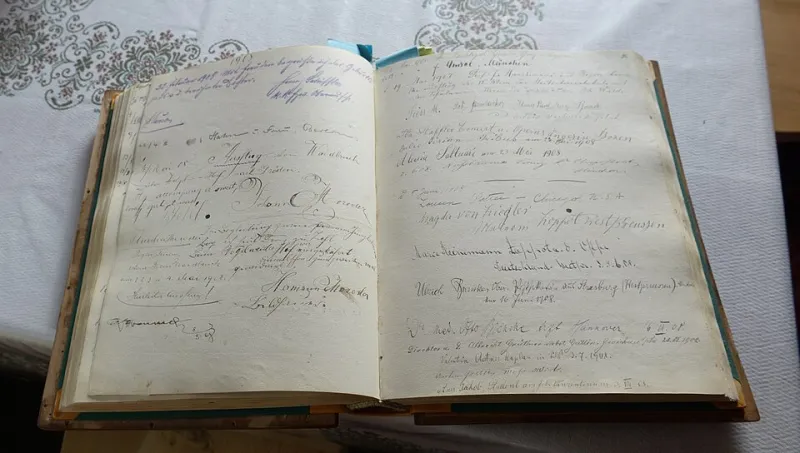
Photo: This Photo was taken by Wolfgang Moroder. Feel free to use my photos, but please mention me as the author and send me a message. This image is not in the public domain. Please respect the copyright protection. It may only be used according
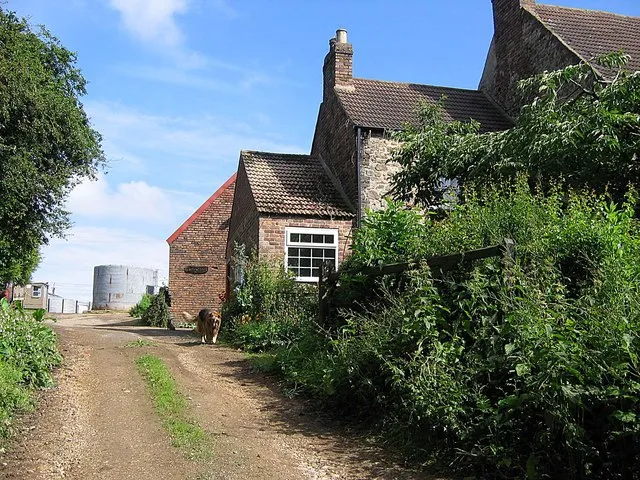
Most people book a farmhouse on the strength of a photograph: a copper bath, a dresser stacked with blue-and-white plates, a dog asleep in a sunbeam. Fair enough. But the most useful document in the building is usually a scuffed notebook by the door. The guestbook. It isn’t a marketing asset. It’s a record of small, specific truths — and if you know how to read it, it will tell you more about a place than any listing ever could.
The Polite Ask
Hosts are used to questions about parking, dogs, and whether the shower is powerful. Ask about the guestbook and you’ll get a different kind of answer. A simple email works: “Would you mind sending a couple of pages from recent guests? We’re trying to get a feel for the local walks.” Most hosts will photograph a few pages. Some will read one out over the phone. What you’re looking for isn’t flattery. It’s repetition.
Names That Keep Coming Back
If the same name appears three times across four years, that’s a signal. Not necessarily that the guest is a friend of the owner (though sometimes), but that the place rewards a return. Look for the sentence “back again” and what follows. “Back again, third time, walked the same loop every morning.” That tells you the walking is genuinely good, not just listed in a brochure. It also tells you the host hasn’t changed the mattress or the kettle in a way that drives people away.
The Underlined Walk
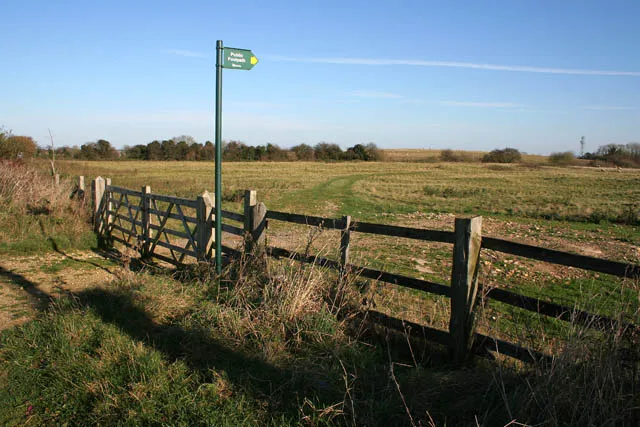
Guests underline for emphasis. A footpath name underlined twice, with an exclamation mark, in different handwriting, is worth more than a visitor attraction leaflet. Look for Ordnance Survey grid references scrawled in margins, or a note like “the stile after the second gate is muddy — wear boots.” That’s not a complaint; that’s local knowledge. If three separate entries mention the same circular route from the door, you can reasonably assume your car can stay put. That’s the farmhouse dream: boots on, keys down.
The Least Polished Entries
The polished ones — “Beautiful stay, highly recommend” — are fine, but they tell you little. The entries with a spelling mistake, a drawing of a dog, a list of birds spotted from the window, a coffee ring on the page: those are the ones to read closely. They were written in the moment, not for the owner’s approval. If someone took the trouble to write “the village shop does a proper bacon roll on Saturdays” in biro, that’s a small, reliable fact. It’s also the kind of detail that never makes it onto a website.
What the Gaps Say
A guestbook with no mention of the local pub is interesting. Maybe it’s not a pub sort of place. Maybe the pub closed. Either way, it’s information. If every entry mentions the same village shop, that’s a place worth finding. If nobody mentions the “luxury welcome hamper” that the listing goes on about, draw your own conclusions. Silence can be as revealing as a rave review.
The Village Shop Test
A repeated mention of a specific shop — not a supermarket, a shop — tells you the farmhouse is part of a working village rather than an isolated holiday unit. It also tells you the host points people toward local businesses rather than a chain. That’s the kind of place where you’ll get a warm welcome and a decent loaf. And if the same shop comes up in entry after entry, it’s probably worth a visit before you even unpack.
Ask for the Last Page
The most recent entries are the most useful. A guestbook’s last page is the closest thing to a live review. Look for dates in the past few months. If the tone has changed — sudden mentions of road noise, a broken shower, a change of ownership — that’s worth asking about. Hosts who are happy to share the last page are usually hosts who are proud of the place.
A Note on the Back Door
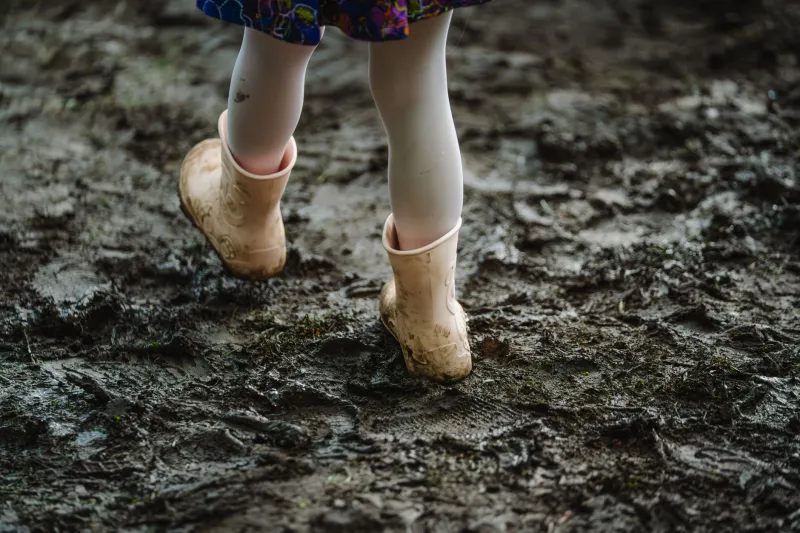
At Drem Farmhouse, the guestbook sits on the hall table, next to a jar of pencils and a stack of local maps. It isn’t there to impress anyone. It’s there because guests keep writing in it, and because the next guest deserves to know which gate to close and where the best light falls in the afternoon. That’s the whole point of a guestbook: it’s a conversation between people who have stood in the same muddy boots.
The Booking Bit
So before you book, ask. A short email, a polite request, and a willingness to read between the lines. The best farmhouses aren’t the ones with the glossiest website; they’re the ones whose guestbooks are dog-eared, underlined, and full of other people’s handwriting. That’s the margin worth reading.