Cold Hands, Warm Flask: Why Winter Walks Deserve a Carried Lunch
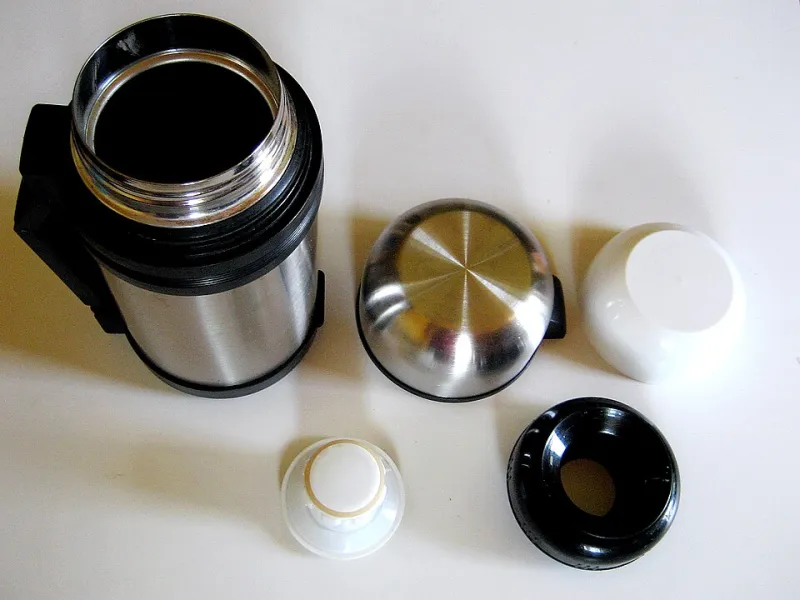
Photo: Schekinov Alexey Victorovich, CC BY-SA 4.0, via Wikimedia Commons
There is a moment, somewhere around the middle of a winter walk, when the light goes from silver to gold and the air starts to bite properly. It is the best ten minutes of the day. And it is almost always the ten minutes that a pub lunch quietly takes away from you.
I say this as someone who loves a village pub and would defend it against most things. But a booked table at one o'clock is a deadline dressed up as a treat. It pins you to a schedule, it costs forty quid for two, and it means the walk either side of it becomes transport rather than the point.
The pub will still be there at four o'clock
Here is the honest arithmetic of a late-November day in lowland Britain. It is properly light at eight. It starts thinking about dusk at half three. Somewhere in between you have perhaps six useful hours, and if you spend an hour and a half of them indoors with a menu and a card machine, you have spent a quarter of your daylight on lunch.
Carry the lunch instead, eat it at a gate in the sun, and the pub becomes what it should be: the warm place you land at the end, boots off under the table, one drink and a packet of crisps, home in time for the fire.
What a carried lunch actually buys you
Not frugality, though it is cheaper. What it buys is timing. You eat when you are hungry and when the sun happens to be out, not when the kitchen is ready. You eat where the view is rather than where the car park is. You can walk half an hour further than planned and not worry about holding a table. And you get that strange, deep satisfaction of a hot drink in cold hands, standing at a field edge with nothing to do for twenty minutes.
There is also the quiet. No queue, no piped music, no small talk with the next table. Just wind in a hedge and a flask being unscrewed.
A packing plan that fits one rucksack
Keep it simple and keep it light. This is a lunch, not a picnic hamper.
- A flask of soup, filled at the farmhouse before you leave. Anything thick enough to pour slowly: lentil, squash, leek and potato. Pre-warm the flask with boiling water for a minute first and it will still be hot at one.
- Two slices of something sturdy. A seeded loaf, a cheese scone, a wedge of cold pie. Nothing that wilts.
- A lump of cheese and an apple, or a handful of nuts. Protein and something to crunch.
- One sweet thing. A flapjack travels better than a cake and does not mind being squashed.
- A small sit mat, or a folded plastic bag in your pocket if you would rather sit on a stone than a stile.
- A cloth or two paper napkins, and a small bag for peel and crusts. Everything comes home with you.
- Water as well as soup. Cold air is dehydrating and nobody notices until the headache arrives.
A small thermos of tea in the side pocket is not essential. It is, however, the difference between a nice walk and a memorable one.
The rhythm of a short lowland day
Winter walking is not about distance, it is about rhythm. A workable shape for a farmhouse weekend looks like this.
Out of the gate by half nine, while the frost is still on the shaded side of the hedge. Walk an hour and a half at a pace that lets you talk. Find your gate, your bridge, your bench or your churchyard wall at about eleven, and eat then. Early lunch is a revelation in winter: the sun is at its best and the afternoon still belongs to you.
Then another hour or two, deliberately slower, and back at the farmhouse by half three with the light going amber behind you. Kettle on, boots by the door, and the whole evening still ahead.
Keep the route short and the map simple. Lanes, bridleways, a dismantled railway line, the footpath that loops around the back of the village and comes home through the churchyard. You do not need a summit. You need somewhere to stop.
Gate manners: eating without being in the way
This is the part that separates a good outdoor lunch from a nuisance, and it takes about as long to learn as tying a bootlace.
Do not sit on a gate. Hinges and top bars are for swinging, and a gate is a working thing. Do not block a stile, a gap, or a gateway either, however quiet it looks: a farmer with a trailer can appear in ninety seconds, and a footpath is not a dining room.
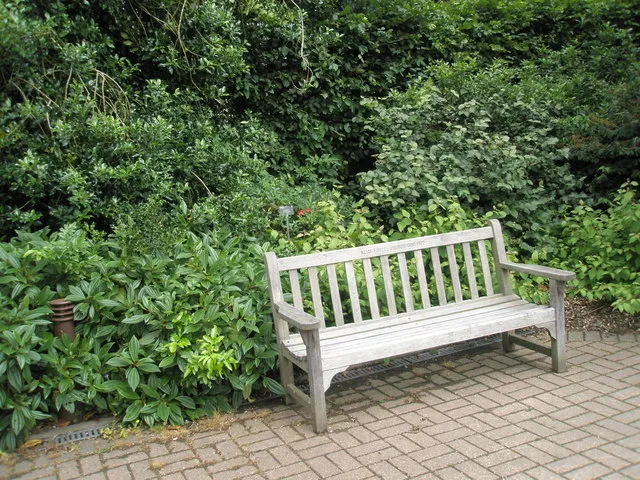
Better spots are a bench, a stone bridge parapet, a churchyard wall, or simply a stretch of verge with a hedge at your back to break the wind. Choose standing-height if the ground is wet, and keep off crops and newly sown fields. If livestock are in the field, do not go in at all, and never feed them, even if they look hard done by.
Take everything away. Orange peel, apple cores and crusts are not compost, they are litter with good PR, and food scraps draw rats to barns and gateways where the next walker will get the blame. Close every gate you find closed, leave the stile clear, and if the landowner appears, say hello, thank them, and move along. Nine times out of ten you will get a nod and a tip about a better path.
And if you would rather sit down after all
Fair enough. Some days are properly grim, and a wet bench in a February wind is not character building. Then do both: carry the flask and the slices, drink the soup at the top of the lane, and go into the pub at half three for a bowl of chips and one pint. You have walked, you have eaten outdoors, and you have still got a fire to go back to. That is a winter weekend doing what it is supposed to do.