Ten Minutes at the Top: In Praise of the Farmhouse Bench
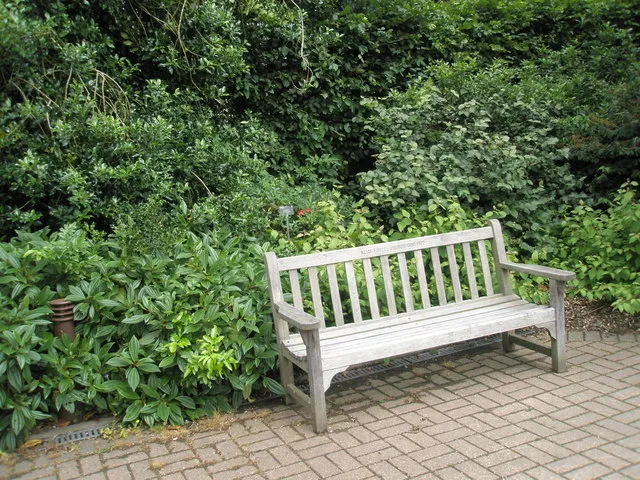
Photo: Basher Eyre, CC BY-SA 2.0, via Wikimedia Commons
Ask anyone to describe a farmhouse they loved and they will mention the range, the flagstones, the bath with the long view. Nobody ever mentions the bench. And yet, when you press them — what did you actually do on Saturday? — the answer, nine times out of ten, involves a short climb and a bit of sitting down at the end of it.
The best bit of furniture isn't indoors
I have come to believe that the single most generous thing a farmhouse can offer is a plank of wood in an unreasonable place. Not the bench by the back door, useful as that is for boots. The other one. The one up the field, past the gate that sticks, on the flat bit where the hill gives up trying.
Indoors, a farmhouse works hard for your comfort: fires, kettles, blankets, the whole apparatus. Outside, it can only offer you a place to stop. That is the whole trick. A bench says: this view is worth ten minutes of your life, and we have made it easy for you to agree.
What makes a bench worth the climb
A good bench is not a piece of garden design. It is a piece of local knowledge, and it tends to share certain habits.
- It faces something. Not the farmyard, not the track, but the thing the person who put it there wanted to look at: a valley, a wood, water, a church tower three parishes away.
- It has a back. Slatted, weathered, slightly too upright. You will notice it after a long day on your feet and be grateful.
- It sits just above the mud line. High enough to be dry after a wet week, low enough that you are not clambering.
- It is ten minutes from the door. Not forty. The bench that gets used is the bench that can be reached in wellies, without a decision, before breakfast.
- It is a bit scruffy. A bench with a cushion and a plaque is a memorial. A bench with lichen and a wobbly leg is an invitation.
Anything with a view and no back is a wall. Lovely, but a different thing.
How the spot gets chosen
Hosts do not generally pace a hillside with a spirit level. What happens is closer to this: someone walks the dog up there a few hundred times, notices they always pause in the same place, and eventually gives in and carries up some timber.
Sometimes the spot is obvious — a bend in the path where the ground flattens, a gap in a hedge that frames the distance, the leeward side of a drystone wall where the wind drops by half. Sometimes it is chosen for what you get on the way down, which matters more than guests expect: a bench on the descent line lets you sit with the light behind you and the farm laid out below.
Here in East Lothian, our own favourite sits above the policies facing the Forth, close enough to the coast that you can watch weather arrive. You get ten minutes of warning before a shower reaches you. That is exactly the right amount of warning.
The flask protocol
If you take nothing else up, take hot liquid. This is not a quaint suggestion; it is the difference between a bench you visit once and a bench you return to on the second morning without being asked.
A small flask, a couple of biscuits from the tin in the pantry, and a coat with a pocket big enough for both. Sit down. Do not take your phone out first. Do not photograph the view until you have looked at it for a full minute, because the camera has a way of converting a place into a task.
Then, and only then, pour. Tea in the open air tastes different — flatter, hotter, faintly metallic from the flask — and it is one of the great small pleasures of a rural weekend. Drink it slowly enough that the steam stops and your hands warm up.
Ten minutes, properly taken
What actually happens in those ten minutes is the point of the whole thing. Nothing much. Your breathing slows. You notice that a distant field has a stripe in it. You hear a bird you cannot name. The list in your head — the drive, the work, the thing you said on Thursday — gets quieter, and then slightly ridiculous.
That is what people mean when they say a farmhouse weekend did them good. It was not the mattress. It was the bit where they sat on a bench in the cold with a flask and stopped performing.
One small rule
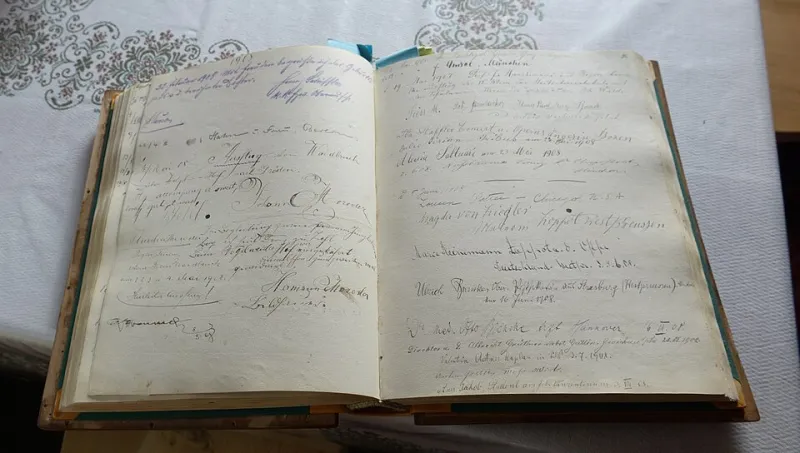
Take your cup down with you. Leave the bench as you found it — lichen, wobble and all — and leave a note in the guestbook if it earned its place. Hosts read those and take them personally. A line saying the bench above the wood, at half seven, with the mist coming off the fields will be remembered longer than any comment about the towels.
And if you're only booking for two nights? Go up on the first evening, not the last. A bench seen once is a view. A bench visited twice is a habit, and habits are what you take home.