Lanes, Stiles and a Slow Sunday: Walking Your Way to a Proper Roast
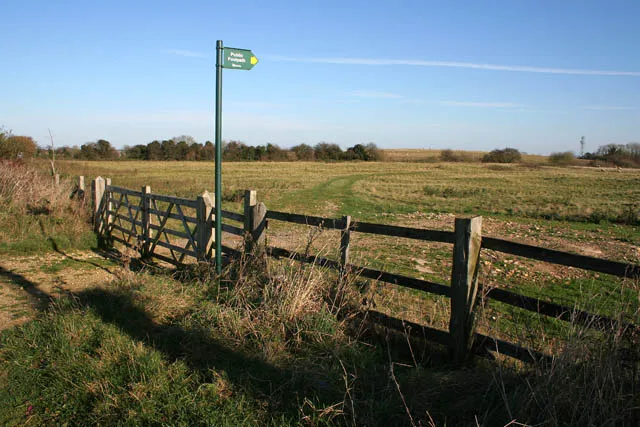
Photo: Pterre, CC BY 3.0, via Wikimedia Commons
There is a particular kind of Sunday that begins with boots by the door and ends with a nap you did not plan. At Drem Farmhouse, we are firm believers in that rhythm. The walk is not a box to tick before lunch. It is the thing that makes lunch taste better.
So this is not a guide to squeezing in a stroll. It is a guide to building the whole day around a route that earns its roast, whether that roast is in a village pub or back at the farmhouse table.
Start With the Table, Not the Map
Most walking plans begin with a map and a hopeful finger. A better Sunday begins with a booking. If you want a pub lunch, ring ahead. Sunday roasts are not a bottomless resource, and the good places fill up by midweek. Ask the questions that matter: are muddy boots welcome, is there a dog-friendly corner, and what time is the last sitting?
Then work backwards. A five-mile circular walk with a stile or two, a flask stop, and a bit of standing about admiring the view will take most people two and a half to three hours. Add twenty minutes for the fact that nobody walks as fast as they think they do. If lunch is at two, leave the farmhouse gate at half ten. That gives you room to be slow without being late.
If you are eating at Drem Farmhouse instead, the same logic applies. Decide when the oven goes on, then choose a route that gets you back with time to peel the potatoes. A roast is much friendlier when it has not been sprinted home to.
The Route That Earns It
A good Sunday route should feel like a loop, not a commute. Out-and-back walks have their place, but a circle gives you the quiet satisfaction of always moving forward. From the farmhouse, the best routes tend to use a mix of lane, field edge, and farm track, with a village or a decent bench somewhere near the halfway mark.
Ask for the farmhouse route sheet before you set off. It will tell you where the stiles are, which fields are likely to be heavy underfoot, and where the dog can have a drink. In East Lothian, the weather can change its mind between the gate and the first bend, so a route that offers a short cut is not cheating. It is good planning.
This is also the walk where you notice things. A hedge full of sparrows. A gate that needs lifting rather than pushing. A view to the Firth that appears only when the trees thin out. The point is not to tick off miles. The point is to arrive at the table with a bit of colour in your cheeks and a proper appetite.
Mud, Stiles and the Honest Kit List
November walking has a way of humbling a wardrobe. Fashion trainers are not boots. A cotton hoodie is not a waterproof. A phone map is not a substitute for knowing which way the wind is coming from.
Bring boots with grip, a waterproof jacket, and spare socks in the car or rucksack. Add gloves, a hat, and a flask. A small towel is useful if you have a dog, and a headtorch is useful if the walk takes longer than you meant. It usually does not, but the one time it does, you will be glad of it.
Stiles deserve a mention because they are where otherwise sensible people become overconfident. Take them slowly. Swing a leg over, keep three points of contact, and do not vault unless you are very sure of your landing. Muddy gates should be closed behind you. Livestock should be given space, especially if there are calves or lambs about. The countryside is not a theme park, and the people who live there will thank you for remembering it.
Timing the Light
In winter, daylight is not a suggestion. It is the boss. A late November Sunday can feel generous at noon and then suddenly grey by half past three. Plan for that. A half ten start, a steady pace, and a booked lunch at two gives you a comfortable margin.
If you are walking back to the farmhouse, aim to be through the last field before dusk. If you are walking to a pub, check the distance from the final stile to the door. A mile on a map can feel longer when your boots are heavy and the lane is dark. Carry a small torch even if you expect to be back in good time. It weighs almost nothing and it prevents the sort of adventure nobody asked for.
The Pub End
A village pub does not need to be fancy to be exactly right. It needs a warm room, a proper roast, and someone who does not look horrified when four muddy walkers push through the door. Book ahead, arrive a few minutes early, and wipe your boots on the mat. Order the pudding. You have walked for it.
If the pub is dog-friendly, keep the dog on a short lead and away from the carvery queue. If it is not, leave the dog at the farmhouse with a bone and a clear conscience. Ask about local ale, and ask what the soup is. Pubs that make their own soup tend to make a decent roast too.
The Farmhouse Table End
There is a quieter version of this Sunday where the walk ends at Drem Farmhouse and the roast is your own. It takes a little planning, but not much. Peel the potatoes before you go. Put the meat in a low oven if the timing works. Leave the gravy for the moment you walk in. A farmhouse kitchen is at its best when it smells of something that has been ticking along while you were out getting cold.
This is also the version where the walk can be shorter. Three or four miles is plenty when the reward is already in the oven. The important thing is not the distance. It is the return: boots off, kettle on, coats over the back of a chair, and the pleasing ache in your legs that says you have been somewhere.
Small Details That Make It a Sunday
Bring a flask and stop somewhere. Not for long. Just long enough to notice where you are. Take a photograph of the gate you came through, or the view you almost missed. Leave the route sheet on the table for the next guest. Write a line in the guestbook if you are staying. These are small things, but they are the difference between a walk and a day out.
A farmhouse Sunday should not feel efficient. It should feel earned. The lanes, the stiles, the muddy bits, the cold nose, the booked table, the warm room at the end of it. That is the long way to lunch. It is almost always the better way.