Narrow Road, Wide Welcome: Farmhouse Manners for the Last Mile
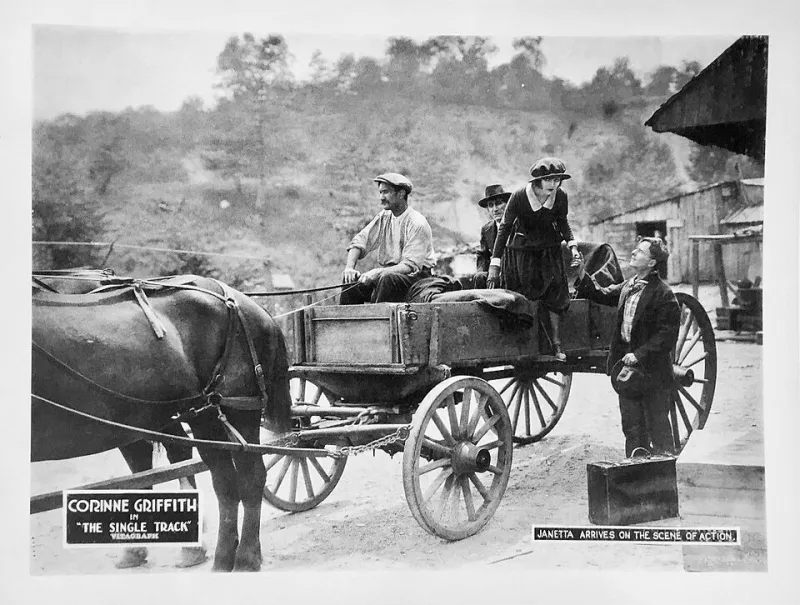
Photo: Vitagraph Company of America, Public domain, via Wikimedia Commons
There is a moment on every rural break when the satnav stops being helpful. The A-road is behind you, the village has thinned out, and the screen shows a thin yellow line threading between hedgerows. Seven minutes to go, it says. What it does not say is that those seven minutes are the part of the journey that sets the tone for everything after.
The last mile to a farmhouse is rarely a mile of open thinking. It is a mile of listening: for a tractor, a postie, a dog walker, a car coming the other way with no intention of reversing. It is also, if you let it be, a fine introduction to the pace of a place. At Drem Farmhouse, we have come to think of the lane as the first room of the stay. It has its own etiquette, its own weather, and its own way of reminding you that you are no longer in a rush.
The Lane Sets the Tempo
Single-track roads are not an inconvenience bolted onto a countryside break. They are a working part of it. They carry milk tankers and feed deliveries, school runs and Sunday lunches, sheep on the move and the occasional cyclist who knows every pothole by name. They are also the reason the farmhouse at the end feels like a destination rather than a postcode.
The trick is to arrive already adjusted. Leave a little more time than the map suggests. Treat the final two or three miles as part of the journey rather than a delay at the end of it. If you find yourself gripping the wheel and muttering at the satnav, that is usually a sign that the city is still in the car with you.
A good lane does not reward speed. It rewards observation. You notice where the hedges are cut back, where the verge softens, where a gate opens onto a field. You notice the house names, the letterbox set into a wall, the sign that says “farm traffic” and means it. By the time you reach the farmhouse gate, you have already begun to read the place.
Passing Places Are a Conversation
A passing place is not a lay-by. It is a small piece of agreed civility, usually marked by a white post or a diamond sign, sometimes no more than a bulge in the verge. The principle is simple: one of you goes in, the other goes past, and both of you carry on with the day improved by the exchange.
The practice is a little more nuanced. If the passing place is on your left, pull into it and let the other vehicle come through. If it is on their left, they will usually do the same. If you meet on a bend or a narrow stretch with no passing place in sight, the vehicle nearest one — or the one with the easier reverse — should be the one to give way. There is no prize for stubbornness. There is only a longer, more awkward reverse and a story you will tell at the pub later.
A wave is customary. A nod will do. A brief flash of headlights can mean “after you” or “thank you”, depending on context, which is not ideal but is somehow understood. What matters is that the lane remains a place where people acknowledge each other. It is one of the small pleasures of rural travel, and it begins before you have even unpacked.
Gates, Cattle, and the Art of Leaving Things as You Found Them
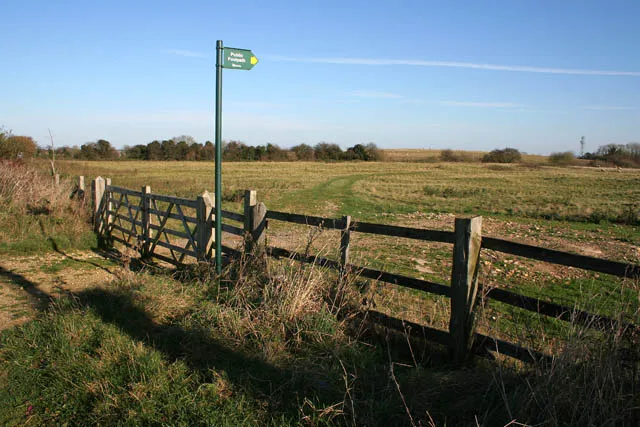
Some farmhouse lanes come with gates. If you are asked to open and close one, do it properly. Drive through, get out, close it behind you. Leaving a gate open is not a minor oversight in the countryside; it is an invitation for livestock to wander, and livestock do not read booking confirmations.
If you meet animals on the lane, give them room and time. Sheep move at their own pace, which is generally the correct pace for a farmhouse weekend. Cattle can be curious but are best given a wide berth. Do not honk. Do not hurry them. A farmer will thank you for patience far more readily than for speed.
Mud is part of the package, too. After rain, the lane may hold water in places that look shallow and are not. Drive gently, keep to the firmer ground where you can, and do not assume the verge is solid. If you arrive with muddy tyres and a slightly less polished car than you left with, you have probably done it right.
When the Sign Says Farmhouse
Farmhouse entrances have a habit of being modest. A name on a gatepost, a track that looks like it might belong to the field, a turning that appears a fraction later than the satnav expected. If you overshoot, do not attempt a dramatic three-point turn in a gateway. Carry on to the next safe place, turn properly, and come back. The lane will still be there.
It also helps to know what to expect before you set off. A quick look at the arrival notes — surface, parking, whether the track is suitable for low-slung cars — saves a great deal of guesswork at the end of a long drive. Good farmhouse hospitality begins with clear directions, but it is a two-way arrangement. Read them, trust them, and resist the urge to follow the satnav down something that looks more like a footpath than a road.
Arriving Slower Than You Left
By the time you pull into the yard, something has usually shifted. The radio is quieter. The phone has less to say. The list of things you meant to do before the weekend has begun to look less urgent. That is the lane doing its work.
It is worth noticing, because the same manners apply once you are out of the car. Give way. Wave. Leave gates as you found them. Do not rush the livestock. The last mile is not an obstacle between you and the farmhouse. It is the first lesson in how to be there.
And if you arrive having reversed once, nodded twice, and waited for a tractor to rumble past with a wave from the driver, you have already had a small taste of the weekend. The kettle will be waiting. The lane has done its job.