Nothing to Switch On: Making Friends With a Borrowed Range Cooker
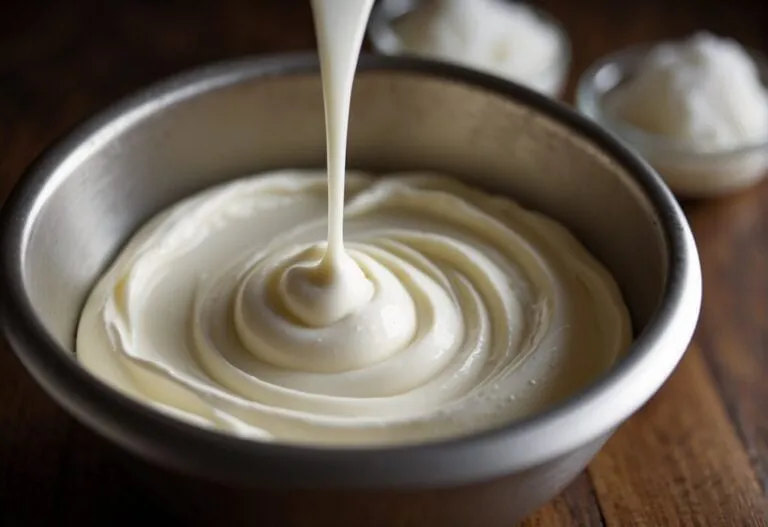
Photo: cream Aga range cooker in traditional farmhouse kitchen, via thekitchencommunity.org
There is a particular pause that happens in a farmhouse kitchen on the first evening of a stay. The kettle is filled, the tea is located, and then the guest turns round and meets the range cooker: a wide, cream, cast-iron thing with no dials, no numbers and no obvious way in. It ticks quietly to itself. It is warm for no reason anyone can see. Somewhere under the calm there is a faint sense of being judged.
Take heart. A range is not a difficult cooker. It is simply an old-fashioned one, and it works on a principle that thirty years of modern kitchens have trained us out of. Nobody expects you to master it in a weekend. You only need to know where the heat is.
Nothing to switch on, plenty to use
An electric or gas hob gives you heat the moment you ask for it, then takes it away again. A range stores heat in a large lump of cast iron and releases it slowly, all day, through the metal rather than under the pan. That is why the kitchen feels warm before you have cooked a thing, and why the whole machine has the patient air of a farm horse rather than a sports car.
The practical consequence is this: you do not turn a range up. You move your pan to a hotter place, or leave it where it is for longer. Once that clicks, everything else is geography.
Four zones, and the map inside them
Most farmhouse ranges follow the same layout, even when the badge on the front differs.
The boiling plate
The hottest point in the room. Kettle on, water boiled, toast made, meat seared, pasta brought up to the boil fast. It is fierce and it does not negotiate, so keep a cloth handy and your attention on it. Wet pan bases will spit at you.
The simmering plate
The same hotplate, second division. Gentler and wider, better for sauces, scrambled eggs, pancakes and a pan of onions going soft. On many ranges you can straddle the two plates with one pan and make a makeshift middle heat.
The roasting oven
Hot, radiant, best at the top and noticeably cooler at the floor. Bakes need watching, often on a lower shelf or with a baking tray overhead as a shield. Roasts, traybakes, scones and Yorkshire puddings all behave beautifully here if you resist wandering off to answer a text.
The simmering oven
The quiet hero. Low, steady warmth that will forgive a casserole an extra half hour and turn a cheap cut into something worth staying in for. It also proves dough, warms plates and dries a wet hat.
Pans, trays and the small rules of metal
Heavy-based pans with all-metal handles are your friends. Thin cheap pans will buckle and scorch. Anything with a plastic handle has no business near the boiling plate. Keep pan bases dry, because water on a hotplate is a small unhappy event.
If the host has left a flat baking tray, treat it as a heat shield: slide it in above whatever is browning too fast. Use oven gloves that actually reach your wrists, and keep the tea towel well away from the hotplate. A range has no flame to see, which makes it easy to forget how hot it is.
Three forgiving meals for a first night
You have driven, unpacked, walked a lap of the garden and perhaps had a glass of something. Nobody wants a project.
The one-pot that cannot fail
Brown sausages or a chopped onion on the simmering plate in a heavy casserole, add lentils, stock, a tin of tomatoes, a bay leaf, salt and pepper, then push it into the simmering oven for an hour or so. Greens go in near the end, or alongside on the hotplate. Bread and butter. Done.
Jacket potatoes, done properly
Prick, oil, salt, straight onto the shelf in the roasting oven for about an hour, turning once. A range makes the best jackets in Britain because the dry radiant heat crisps the skin instead of steaming it. Fill with whatever came back from the village shop.
A tray of everything
Chunks of squash or potato, a red onion, a few cloves of garlic, oil, rosemary, sausages laid on top. One tray, upper part of the roasting oven until it colours, then lower down to finish. One tray to wash.
Five questions worth asking before you touch anything
A good host will have answered most of these in the welcome notes. If not, ask.
- Is the range on a timer or programmer, and what hours does it run? Some are turned down overnight, which changes your breakfast plans.
- Which oven do you use for what, and is there anything you would rather I left out of it?
- Which pans, trays and lids are safe on the hotplates?
- Where is the fuel, and what counts as normal? An oil range that goes out is a nuisance for everyone, and a two-minute chat avoids it.
- Is there a manual, and who do I call if it misbehaves? Farms usually have a neighbour who knows.
Cooking at the pace of the house
The last thing to say is the nicest. A range slows you down, and a farmhouse weekend is exactly the sort of break that benefits from being slowed down. You put the pot in, you go for a walk, you come back, and supper has quietly got on with itself in your absence. No timers, no juggling, no alarms. Just a warm kitchen, a flask of tea, and the sense that you have borrowed someone's very good idea about how an evening ought to run.