One Bed, One Pair of Boots, One Good Weekend: A Farmhouse Stay for Solo Guests
Photo: User:EPFlo, CC BY-SA 3.0, via Wikimedia Commons
There's a particular kind of hesitation that shows up when people ring or email about a farmhouse break for one. It sounds like an apology. Is it all right to book for just me? Would I be taking a room that someone else might want?
The answer is yes, and no. Yes, of course book. No, you are not filling a space that would otherwise be taken by four people. Midweek farmhouses are quiet by design, and a single guest who wants a fire, a walk and an early night is the least demanding booking a host will take all month.
Still, going alone takes a little thought. Here's how to make it feel less like a compromise and more like a chosen thing.
Choose the room, not the rate
When you're booking for one, it's tempting to go straight for the cheapest option and then spend the weekend in a room the size of a linen cupboard. Don't. Small rooms were built for sleeping in and nothing else, and a solo weekend has long evenings in it.
Look instead for a room with somewhere to sit that isn't the bed. A chair and a lamp, a windowsill wide enough for a mug, a second pillow you can put behind you for reading. If the listing is vague, ask directly: Is there a chair by the window? It's a completely normal question, and hosts tend to answer it with useful detail — which tells you something about the rest of the stay.
A bath helps, too. Solo evenings go slowly, and a long bath is a good way to fill one.
Arriving alone: what the welcome actually looks like
Good hosts read the register before you arrive and adapt. If you're coming on your own, expect a shorter welcome than a group gets — where the key is, where the logs are, when breakfast happens if breakfast happens, and then a step back. That's not coldness. It's good manners, calibrated.
If you'd rather have a longer chat, say so. I'd love to hear what's worth walking round here will get you a conversation in the hall, a hand-drawn map and possibly a recommendation for the butcher. If you'd rather be left alone, you don't need to announce it. Simply asking for the key and heading upstairs makes the point perfectly clearly, and no host will be offended.
The evening walk question
There's a small anxiety about walking out at dusk on your own in an unfamiliar place. Take it seriously without letting it run the weekend.
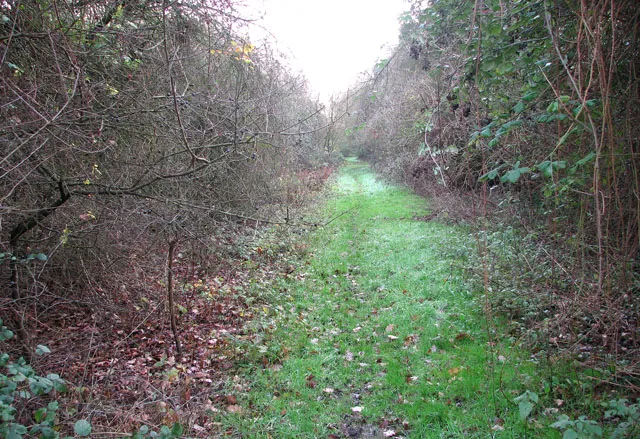
- Tell someone where you're going, even in the loosest terms. Up the track and back, about forty minutes is enough.
- Take the path you can see, not the one you've been told is prettier. The pretty one can wait for daylight.
- Carry a small torch rather than relying on a phone. Hands free matters when there are stiles.
- Turn round while there's still colour in the sky. The last ten minutes home in the dark are much better when home is already close.
A short walk before dinner, out and back on the same track, is one of the underrated pleasures of a solo farmhouse stay. You get the cold air and the sound of your own boots, and you get back in time to light the fire before you lose your nerve with the matches.
Supper at the village pub on your own
This is the bit people dread and then discover is fine. Three small things make it easier.
Go early. Half past six is a better hour than half past eight. The pub is calmer, the staff have time, and there's no performance of walking into a full room.
Sit where there's something to look at. Near the fire. Facing a window. At the bar, if it's that sort of pub — bar seats are made for people on their own and the staff will talk to you exactly as much as you invite.
Take something to read that isn't your phone. A paperback, a local guide, even the parish magazine. It signals content rather than waiting, and it stops you flicking at a screen in a room where nobody else is.
Order something that takes a while to eat. Stew, pie, anything with a crust. Rushed meals are for people with plans.
Small talk, handled
You will be asked three questions in a village pub: where are you staying, where have you come from, and what are you doing here. Answer them honestly and ask one back. That's the whole technique. Nobody in a rural pub is going to interrogate a lone walker for signs of strangeness; most people just want to know whether you've found the good footpath yet.
If you've had enough, the phrase that works everywhere is I'll let you get on — cheerful, final, no offence taken.
The morning nobody tells you about
Solo stays have one reliably excellent hour and it's the first one. Up early, kettle on, the yard still quiet, frost on the windscreen of your own car and nobody waiting for you to be ready. Take a mug outside. Stand in the cold. This is not a wasted day; it's the part you came for.
Then go back in, put another log on, and have breakfast at the pace of someone with genuinely nothing to do. Twenty minutes of toast, twenty-five of reading, and a proper decision about whether the walk you've planned is worth the drive.
Leaving rested rather than overlooked
The test of a solo weekend isn't how sociable you managed to be. It's whether you drove home feeling looked after. If the room was warm, the pub was kind and the path out of the gate went somewhere decent, you've done it right.
And book the second one before you leave. Hosts remember the guest who said, without a hint of apology, I'd like the same room in March.