Read the Board, Not the Reviews: A Solo Guest's Guide to Village Noticeboards
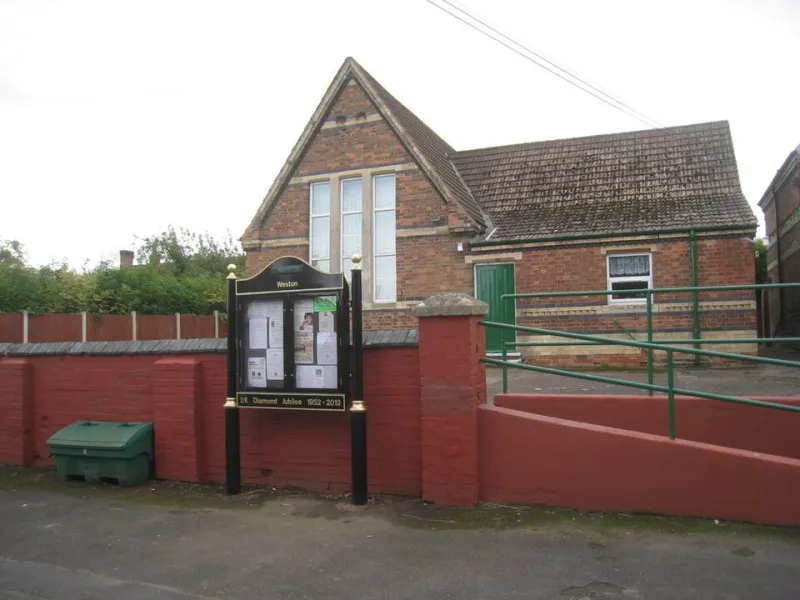
Photo: Jonathan Thacker , CC BY-SA 2.0, via Wikimedia Commons
You arrive on a Friday afternoon with a bag, a key and no particular plan. The pub looks nice but is fully booked for food. The phone suggests three attractions within twenty miles, all of which cost nineteen pounds and involve a car park. What you would really like is to know what is actually happening here, in this village, tomorrow morning.
Stand in front of the village hall noticeboard and you will find out.
A board like that is the least glamorous tourist information in Britain and by far the most useful. It is written by people who live in the place, for people who live in the place, with no thought at all for visitors. That is exactly why it works. Nothing on it has been optimised. Nothing has a TripAdvisor rating. If something is still pinned up, it is because somebody bothered.
For a guest on their own, it is also a lovely thing to do. Reading a board takes ninety seconds, costs nothing, requires nobody to talk to you, and gives you a legitimate reason to stand still in the middle of a village looking interested rather than lost.
1. Start with the layers, not the posters
A good board is an archaeology site. The bright A4 posters near the top are this month. Underneath are last month's, and underneath those, yellowed and curled, a car boot sale from 2019 that nobody has had the heart to remove.
So read in layers. Look first for the handwritten card, the photocopied flyer, the thing with a tear-off strip along the bottom. Faded paper is history; crisp paper with tabs still attached is live. That strip of little phone numbers is your proof that a real person expects real people to turn up.
2. The coffee morning is the cheapest door in the village
Somewhere on almost every board there is a card for a Saturday coffee morning in the hall itself, ten till twelve, two pounds fifty, cakes included. Go.
You will be the newest person there and someone will spot it within four minutes. You will be asked where you are staying, and when you say the farmhouse at the end of the lane, you will be told something useful: which footpath is muddy, whose dog is friendly, when the church tower is open. Two pounds fifty, one hour, and you come away knowing the village from the inside.
3. Buy a paperback you did not choose
Second-hand book stalls at village halls and church porches are a joy, and they are usually honesty box, fifty pence, please leave the money in the tin. The point is not the book. The point is that you will read something you would never have picked, and there is a decent chance the previous owner has written their name inside it in biro in 1978. Take it back to the farmhouse, read it by the fire, and leave it on the shelf for the next guest.
4. Look for the thing that happens weekly and is not for tourists
Repair cafe, bell-ringing practice, tabletop sale, winter fair, choir rehearsal, a talk about hedge laying with a slide projector. These are the listings that never make it onto any website, and they are the ones that give a weekend its texture. You do not have to join in with everything. But a tabletop sale on a Saturday morning is the best people-watching in England, and nobody will ask why you are there.
5. Check the church porch and the parish magazine
The porch is the second noticeboard, and usually the better one. Pew sheets, a concert, a book sale, a box of magazines by the door with a note asking fifty pence. Village magazines are extraordinary documents: thirty pages of harvest suppers, lost cats and a fierce paragraph about dog fouling near the recreation ground. Reading one over breakfast tells you more about where you are than any guidebook.
6. Then read the post office window
The shop or post office window is the commercial wing of the same ecosystem. Piano lessons, eggs for sale, a man who mends lawnmowers, a card advertising logs and kindling. Go in and buy something small, because the person behind that counter is the single best source of local information within five miles, and they will tell you straight.
7. The small etiquette of turning up
A noticeboard invitation is still an invitation, but it comes with manners.
Buy something, even if it is only a cup of tea and a raffle ticket. Put your money in the tin. Do not photograph people without asking, and do not turn up to a church service or a hall event as though it is a performance laid on for you. Do not be the ghost who takes the information and leaves. Two pounds fifty and twenty minutes of conversation is a fair exchange, and you will be remembered kindly at the farmhouse too.
Come home with something to say
Here is the real reason to build a weekend around a board of curling paper. You go back to the farmhouse with a paperback under your arm and a fact about the village that nobody could have looked up. At the kitchen table that evening you have a thing to say that is not about the drive or the weather. The stay stops being a booking and becomes a small, specific piece of time spent somewhere real.
The internet will always know more about a place. The village hall noticeboard will always know it better.